Cognitive Warfare: Goals, Actors, and Effects

Global Dynamics and the Middle East as a Key Battlefield

Introduction: From Information Warfare to Cognitive Warfare

Cognitive warfare represents a significant evolution in how power is exercised in contemporary international relations. Unlike traditional military conflict or even classic information warfare, cognitive warfare does not focus primarily on territory, infrastructure, or even individual pieces of information. Instead, its main battlefield is the human mind—perception, emotions, memory, and decision-making processes.

In cognitive warfare, the objective is not simply to convince people of a specific falsehood, but to shape how individuals and societies perceive reality, how they evaluate information, and how they define truth, responsibility, and legitimacy. It is a form of conflict in which success is measured not by territorial gains, but by confusion, polarization, loss of trust, and behavioral change.

This form of warfare has become particularly prominent in the digital age, where information circulates rapidly, authority is fragmented, and emotional content is amplified by algorithms. Cognitive warfare is now a central component of strategic competition between states—and the Middle East has emerged as one of its most important arenas.


1. The Goals of Cognitive Warfare

Cognitive warfare pursues long-term, strategic objectives that go far beyond short-term propaganda gains.

1.1 Shaping Perception Rather Than Facts

The primary goal is not to impose a single narrative, but to reshape interpretive frameworks—the mental lenses through which people understand events. Cognitive warfare seeks to influence how people think, not just what they think.

By altering these frameworks, actors can ensure that even accurate information is interpreted in ways that serve their strategic interests.

1.2 Undermining Trust and Social Cohesion

A key objective is the erosion of trust:

When trust collapses, societies become more vulnerable to manipulation, less capable of collective action, and more prone to internal conflict.

1.3 Influencing Political and Strategic Decisions

Cognitive warfare aims to shape:

Crucially, this influence often occurs indirectly, by narrowing the range of “acceptable” policy choices rather than by openly dictating outcomes.

1.4 Weakening the Opponent Without Kinetic Force

One of the most attractive features of cognitive warfare is that it allows actors to weaken adversaries without military confrontation. A society that doubts itself, mistrusts its institutions, and questions objective reality is easier to deter, divide, or coerce.


2. Key Actors in Cognitive Warfare

Cognitive warfare is not limited to states, nor is it conducted exclusively through official channels.

2.1 State Actors

Several states have explicitly or implicitly incorporated cognitive warfare into their strategic thinking:

2.2 Non-State Actors

Non-state actors play a growing role, including:

In many cases, the boundaries between state and non-state actors are deliberately blurred, enhancing deniability and complicating attribution.

2.3 Platforms and Algorithms

Digital platforms are not intentional actors, but they are structural enablers of cognitive warfare. Algorithmic amplification of emotional, polarizing content significantly increases the reach and impact of manipulative narratives.


3. Why Cognitive Warfare Is Particularly Dangerous

Cognitive warfare is difficult to detect, attribute, and counter. Its effects are often gradual, cumulative, and invisible until they become systemic.

3.1 Manipulation of Reality Perception

By flooding the information environment with competing narratives, cognitive warfare creates epistemic fatigue. When people conclude that “truth is unknowable,” they become disengaged or cynical—an outcome that benefits manipulative actors.

3.2 Paralysis of Democratic Decision-Making

Democratic systems rely on shared assumptions about facts and legitimacy. Cognitive warfare undermines these foundations, making consensus harder and governance more fragile.

3.3 Long-Term Psychological Effects

Unlike conventional warfare, the effects of cognitive warfare may persist long after active campaigns end. Distrust, polarization, and distorted historical memory can shape political cultures for decades.


4. Cognitive Warfare in the Middle East

The Middle East is one of the regions most exposed to cognitive warfare, due to a unique combination of historical, political, and technological factors.

4.1 A Highly Emotional Conflict Environment

Ongoing conflicts—such as those in Gaza, Syria, Yemen, and Iraq—create emotionally charged contexts that are ideal for cognitive manipulation. Narratives related to religion, identity, victimhood, and historical injustice are particularly powerful.

4.2 Fragmented and Polarized Media Ecosystems

The region’s media landscape is highly fragmented, multilingual, and politically aligned. This fragmentation facilitates the rapid diffusion of competing narratives, often without effective verification mechanisms.

4.3 The Role of External Powers

Global and regional powers use the Middle East as a narrative projection zone, linking local conflicts to broader global struggles:

Russia, in particular, has used Middle Eastern conflicts to relativize its own actions elsewhere, presenting global politics as a realm of universal hypocrisy.

4.4 Social Media as a Force Multiplier

High social media penetration means that images, videos, and emotionally framed stories spread rapidly. In such an environment, symbolic impact often outweighs factual accuracy.


5. Effects of Cognitive Warfare in the Middle East

The consequences of sustained cognitive warfare in the region include:

These effects do not benefit a single actor exclusively. Instead, they create an environment of permanent instability, which external actors can exploit strategically.


6. Conclusions

Cognitive warfare has become a defining feature of contemporary conflict. It operates continuously, across borders, and below the threshold of war, targeting societies rather than armies.

The Middle East illustrates both the effectiveness and the danger of cognitive warfare. In a region already marked by conflict and fragmentation, cognitive operations intensify divisions, prolong crises, and complicate efforts at stabilization.

Understanding cognitive warfare as a distinct domain of conflict is essential. Without this recognition, responses will remain reactive, fragmented, and insufficient.


Final Reflection

Cognitive warfare is not about controlling information—it is about controlling meaning. As long as perceptions shape power, the struggle over how reality is understood will remain central to global and regional politics. The Middle East, with its layered conflicts and symbolic weight, will remain one of the most contested cognitive battlegrounds of the 21st century.

The conclusions were drawn from the debate: Cognitive Warfare: Goals, Actors, and Effects.

History as a Battlefield

Russian Disinformation, Memory Politics, and the Weaponisation of the Past

Introduction: Why History Matters in Information Warfare

In contemporary international politics, history is no longer merely a subject of academic debate or collective remembrance. It has become a strategic instrument of power, deliberately shaped, distorted, and mobilised to influence political behaviour, justify foreign policy decisions, and delegitimise opponents. Few states have elevated historical narratives to such a central role in their information strategy as the Russian Federation.

Russian historical disinformation does not operate on the margins of political communication. It lies at the very core of Moscow’s worldview and its understanding of international order. The past, in this context, is not fixed or settled; it is continuously rewritten, selectively remembered, and strategically silenced. This process serves both domestic and foreign policy objectives, linking historical memory directly to questions of sovereignty, security, and identity.

In recent years, particularly following Russia’s aggression against Ukraine, historical narratives have become a crucial battleground. Competing interpretations of the Second World War, Soviet expansion, and the Cold War are used to legitimise contemporary violence, undermine neighbouring states, and erode Western normative authority. History, in short, has been transformed into a weapon of cognitive warfare.


1. Memory Politics as State Strategy

The Russian approach to history is best understood through the concept of state-controlled memory politics. Unlike pluralistic historical debates characteristic of democratic societies, Russian historical discourse is increasingly centralised, securitised, and subordinated to political power.

Since the early 2000s, the Kremlin has systematically reconstructed a unified historical narrative designed to serve three interrelated purposes:

  1. Domestic consolidation – fostering national pride, loyalty, and acceptance of authoritarian governance;
  2. Imperial continuity – presenting Russia as the legitimate heir to both the Russian Empire and the Soviet Union;
  3. International legitimisation – framing Russian foreign policy as defensive, historically justified, and morally superior to Western actions.

In this model, history is not a space for critical reflection but a tool of governance. Alternative interpretations are increasingly framed as hostile acts, while questioning official narratives may be treated as a security threat.

This securitisation of history explains why debates over archives, monuments, school textbooks, and commemorative dates provoke such intense reactions from Moscow. They are not symbolic disputes; they are perceived as attacks on the foundations of state legitimacy.


2. The Central Myth: The “Great Patriotic War”

At the heart of Russian historical disinformation lies the mythologised narrative of the Great Patriotic War. In the Russian version of the past, the Second World War is reduced almost exclusively to the period from 1941 to 1945, beginning with Nazi Germany’s invasion of the Soviet Union and ending with Soviet victory.

This narrative performs several crucial functions.

First, it absolutises Soviet victimhood and heroism, presenting the USSR as the decisive force that saved humanity from fascism. The immense sacrifices of Soviet citizens are real and historically undeniable, but they are elevated into a moral monopoly that excludes or marginalises the contributions of other Allies.

Second, it erases Soviet responsibility for events prior to 1941. The Molotov–Ribbentrop Pact, the joint Nazi-Soviet invasion of Poland, the occupation of the Baltic states, and the war against Finland are either justified as forced strategic choices or omitted entirely.

Third, the narrative transforms the war into a foundational myth of modern Russia. Victory becomes not just a historical fact but a timeless source of moral authority, used to silence criticism and justify present-day policies.

In this framework, challenging the Soviet wartime narrative is portrayed not as historical debate but as an attempt to “rehabilitate Nazism” or “rewrite history”. This rhetorical move allows Moscow to delegitimise critics while avoiding engagement with uncomfortable facts.


3. Techniques of Historical Disinformation

Russian historical disinformation rarely relies on outright fabrication. Instead, it employs a sophisticated mix of half-truths, omissions, emotional framing, and selective contextualisation.

One of the most common techniques is chronological manipulation. By starting the story in 1941, Russian narratives remove earlier Soviet actions from moral scrutiny. This truncated timeline reshapes causality and responsibility without explicitly denying facts.

Another key technique is moral equivalence, particularly when addressing totalitarian crimes. Soviet repression, mass deportations, and political terror are relativised or justified as necessary wartime measures, while Nazi crimes are presented as uniquely evil. This asymmetry protects Soviet—and by extension Russian—historical legitimacy.

A third mechanism involves victimhood inversion. States that experienced Soviet occupation are portrayed as aggressors, collaborators, or ungrateful beneficiaries of liberation. Their efforts to reassess Soviet monuments or historical narratives are framed as acts of hostility against Russia rather than exercises of sovereign memory.

Finally, Russian disinformation frequently employs emotional amplification. Images of wartime suffering, heroic soldiers, and destroyed cities are mobilised to evoke moral outrage, bypass rational analysis, and anchor contemporary conflicts in deeply charged historical symbolism.


4. History as a Foreign Policy Tool

Russian historical disinformation is not confined to domestic audiences. It plays a crucial role in Moscow’s external communication, particularly toward Europe, the Global South, and post-Soviet states.

In Central and Eastern Europe, historical narratives are used to undermine the legitimacy of neighbouring states. Poland, the Baltic states, and Ukraine are depicted as historically aggressive, fascist, or complicit in Nazi crimes. These portrayals aim to erode international sympathy and weaken their moral standing within Western alliances.

In the Global South and the Middle East, Russian messaging emphasises anti-colonial framing. The Soviet Union is presented as a liberator of oppressed peoples, while Western powers are cast as imperial exploiters. This selective memory resonates with audiences shaped by colonial experiences and contemporary grievances against Western interventionism.

Crucially, Russian narratives often avoid detailed historical debates in these regions. Instead, they focus on broad moral frames: Russia as anti-imperial, the West as hypocritical, and history as proof of Western duplicity. Accuracy becomes secondary to resonance.


5. The Case of Poland and Ukraine

Nowhere is Russian historical disinformation more visible than in narratives concerning Poland and Ukraine. These states occupy a particularly sensitive place in Russian memory politics because they challenge the Soviet liberation myth and expose the continuity between historical and contemporary imperial practices.

Poland is frequently portrayed as:

Ukraine, meanwhile, is depicted through a narrative of historical non-existence. Ukrainian statehood is questioned, national movements are labelled as fascist, and collaboration with Nazi Germany is exaggerated and generalised. This framing serves a clear political function: if Ukraine is not a legitimate historical subject, its sovereignty can be denied.

These narratives are not accidental. They provide a historical justification for contemporary aggression, framing Russia’s actions as corrective rather than expansionist.


6. History and Cognitive Warfare

Russian historical disinformation should be understood as part of a broader strategy of cognitive warfare. The objective is not to convince audiences of a single version of the past, but to destabilise their confidence in historical truth itself.

By flooding the information space with competing narratives, moral accusations, and emotionally charged claims, Moscow seeks to create an environment where:

In such an environment, the distinction between aggressor and victim becomes negotiable. This ambiguity benefits the actor willing to use force, as moral clarity is replaced by fatigue and relativism.

Importantly, this strategy does not require widespread belief in Russian narratives. It succeeds as long as audiences conclude that “the truth is complicated” or “everyone has blood on their hands”.


7. The Limits of Fact-Checking

One of the major challenges in countering historical disinformation lies in the limitations of traditional fact-checking. While correcting factual errors is necessary, it is rarely sufficient.

Historical disinformation often operates in the realm of interpretation rather than verifiable falsehoods. It exploits emotional attachment, identity, and collective memory—areas where evidence alone does not easily persuade.

Moreover, Western responses often underestimate the symbolic power of history. Treating historical narratives as peripheral or purely academic allows authoritarian actors to dominate the emotional and moral dimensions of memory politics.

Effective responses therefore require more than reactive corrections. They demand strategic narrative engagement.


8. Strategic Implications and Recommendations

Several key conclusions emerge from the analysis of Russian historical disinformation.

First, history has become a security domain. It directly affects alliance cohesion, public support for foreign policy, and resilience against information warfare.

Second, Russian historical narratives are coherent, long-term, and institutionally supported. They are not spontaneous propaganda but the result of sustained investment in memory politics.

Third, democratic societies face a structural disadvantage: openness, pluralism, and academic freedom can be exploited by actors who instrumentalise debate in bad faith.

To address these challenges, several steps are essential:


Conclusion: The Past Is Not Over

Russian historical disinformation demonstrates that the past is not merely remembered—it is fought over. In an era of cognitive warfare, history shapes how societies interpret present conflicts and imagine future possibilities.

Ignoring this battlefield does not preserve neutrality; it cedes ground. If democratic states wish to defend the norms of international order, they must recognise that truth, memory, and history are inseparable from security.

The struggle over history is not about winning debates over dates and documents. It is about defending the very possibility of shared reality in a world where the past has become a weapon.

The conclusions were drawn from the debate: History as a Weapon: How Russia Uses the Past to Shape the Present.

How Moscow Exploits Turkey’s Media Landscape and Strategic Ambiguity

Introduction: Why Turkey Is a Target

Turkey occupies a unique position in Russia’s information strategy. As a NATO member with deep economic, political, and security ties to Moscow, Turkey represents neither a clear adversary nor a reliable ally from the Kremlin’s perspective. This strategic ambiguity makes it an especially attractive target for Russian information operations.

Russian disinformation in Turkey is not designed to push Ankara into open alignment with Moscow. Instead, its primary objective is to shape perceptions within Turkish society, weaken trust in Western institutions, normalize Russia’s narratives, and subtly influence Turkey’s foreign policy environment. Rather than confrontation, Moscow relies on adaptation, resonance, and narrative alignment.

Analyses of Russian-language and Turkish-language media, as well as social media ecosystems in Turkey, demonstrate that Russian disinformation operates most effectively when it blends into existing domestic debates and exploits structural weaknesses of Turkey’s media system Rosyjska-dezinformacja-w-Turcji.


1. Turkey’s Media and Political Environment as an Enabler

Russian information operations in Turkey benefit from a highly constrained and polarized media environment. Around 90 percent of Turkish media outlets are controlled by conglomerates closely linked to the government. Independent journalism operates under strong political and legal pressure, while accusations of “disinformation” can carry criminal penalties.

This environment produces three key effects that are crucial for Russian influence:

  1. Low analytical depth in mainstream reporting – most outlets prioritize speed and official statements over investigative context.
  2. False balance – opposing claims (including Russian ones) are often presented as equally valid perspectives.
  3. Information fatigue and cynicism – audiences are accustomed to conflicting narratives and may treat all actors as equally unreliable.

Russian messaging does not need to dominate this ecosystem. It only needs to blend in.


2. The Architecture of Russian Disinformation in Turkey

Russian information operations in Turkey function through a layered ecosystem rather than direct propaganda.

2.1 Russian Turkish-Language Media

At the core is Sputnik Türkiye, which serves as the primary narrative hub. Its role is not to persuade openly but to introduce framing cues that are later echoed by Turkish outlets and social media users.

Typical features of Sputnik Türkiye content include:

These narratives are later amplified by Turkish portals of varying political orientations, creating what researchers describe as an “ecosystem of confirmation” Bezprecedensowe_-naruszenie-com….

2.2 Mainstream Turkish Media: The Role of False Objectivity

Analyses of Turkish coverage following major security incidents — such as Russian drone intrusions into Polish airspace — show a recurring pattern. Turkish media often:

This “neutral” framing inadvertently normalizes Russian narratives, even when they contradict established facts.

2.3 Social Media and Narrative Diffusion

Social media platforms play a crucial role in transforming selective reporting into full-fledged disinformation. Russian narratives circulate through:

These narratives are often adapted to Turkish sensitivities, including:


3. Core Russian Narratives Targeting Turkish Audiences

Across different platforms and incidents, several recurring narrative patterns emerge.

3.1 “There Is No Proof”

One of the most effective Russian tactics is not denial, but strategic doubt. Claims such as “there is no conclusive evidence” or “the incident was unintentional” appear repeatedly, especially in cases involving NATO or Russia’s military actions.

This narrative does not require audiences to believe Russia is innocent — only that the truth is unclear.

3.2 “NATO Will Not Protect You”

Russian messaging consistently questions NATO’s credibility, suggesting that:

This narrative resonates strongly in Turkey, where public opinion toward NATO has long been ambivalent.

3.3 “Western Hypocrisy”

Another key narrative contrasts Western responses to Ukraine with their stance on Gaza, the Middle East, or past interventions. Russia positions itself as the actor exposing Western double standards rather than defending its own actions.

3.4 Shifting Blame to Ukraine

In several incidents, Russian narratives circulating in Turkish media suggested Ukrainian provocation or responsibility — even when the incidents involved Russian assets. This framing allows Moscow to redirect anger away from itself while reinforcing skepticism toward Kyiv.


4. Case Studies: From Airspace Violations to Sabotage Narratives

Two types of incidents illustrate how Russian disinformation operates in Turkey:

4.1 Drone Incidents and Security Crises

Following Russian drone intrusions into Polish airspace, Turkish media coverage frequently repeated Russian claims questioning evidence and intent. While not overtly pro-Russian, this framing:

4.2 Sabotage and Hybrid Threats

In the case of railway sabotage in Poland, Russian narratives appearing in Turkish infospace framed Europe as a victim of chaos it had created by supporting Ukraine. Responsibility was blurred, while Russia’s role was minimized or denied tory.

These cases show that Russian disinformation does not rely on high visibility. Its strength lies in consistent framing across unrelated events.


5. Effects on Turkish Public Discourse and Policy Environment

Russian disinformation in Turkey produces subtle but cumulative effects:

Importantly, these effects do not require active support for Russia. Indifference and ambiguity are sufficient strategic outcomes.


6. Key Conclusions

Several conclusions emerge from the analysis:

  1. Russian disinformation in Turkey is adaptive and context-sensitive, not confrontational.
  2. It exploits structural weaknesses of Turkey’s media environment rather than bypassing them.
  3. False balance and uncritical repetition of claims significantly amplify Russian narratives.
  4. The goal is not persuasion, but cognitive erosion — weakening clarity, responsibility, and trust.

7. Recommendations

To counter Russian disinformation in Turkey, several steps are essential:


Final Thought

Russia’s information strategy in Turkey demonstrates that modern influence is not about convincing societies to choose sides. It is about making certainty uncomfortable and alignment costly. As long as ambiguity serves Moscow’s interests, Turkey will remain a key arena of Russian cognitive warfare.

The conclusions were drawn on the basis of the debate: The Battle for Perceptions: Russia’s Cognitive Warfare in Turkey.

Russian Disinformation in the Middle East - Narratives, Mechanisms, and Strategic Implications

Introduction: Why the Middle East Matters in Russia’s Information War

Russian disinformation in the Middle East and North Africa (the MENAT region) should not be understood as a side effect of Moscow’s foreign policy, nor as an isolated propaganda effort aimed exclusively at local audiences. Instead, it constitutes a central component of Russia’s broader cognitive and information warfare strategy against the West.

For the Kremlin, the Middle East is not primarily a military priority, but a strategic narrative battlefield. It offers a unique combination of political fragmentation, historical grievances toward Western powers, unresolved conflicts, and highly polarized media ecosystems. These conditions create an environment in which Russian narratives do not need to dominate outright — they merely need to undermine Western credibility, introduce doubt, and normalize ambiguity.

Rather than promoting an explicitly pro-Russian worldview, Moscow’s information strategy in the region focuses on eroding trust in Western actors, relativizing responsibility for international conflicts, and reshaping how global power dynamics are perceived.


1. The Middle East as a Space of Cognitive Warfare

Russia’s approach to the MENAT region reflects a broader shift in its understanding of conflict. Modern warfare, from Moscow’s perspective, is no longer confined to kinetic operations. Instead, it increasingly unfolds in the cognitive domain, where perceptions, emotions, and interpretations shape political outcomes.

The Middle East plays a crucial role in this strategy for several reasons:

In this context, Russia’s goal is not to “win hearts and minds” in a traditional sense. Instead, it aims to weaken moral clarity, dilute Western narratives, and present global politics as a struggle between equally flawed powers.


2. The Architecture of Russian Disinformation in the MENAT Region

Russian disinformation in the Middle East operates through a multi-layered ecosystem, rather than a single centralized channel. This system is adaptive, decentralized, and designed to appear organic.

2.1 State Media as Narrative Anchors

At the core of this ecosystem are Russian state-funded outlets broadcasting in regional languages, including RT Arabic, Sputnik Arabic, Sputnik Türkiye, and Sputnik Iran. These platforms serve as narrative anchors rather than simple news providers.

Their content typically avoids overt propaganda. Instead, it relies on:

This approach allows Russian messaging to appear balanced and analytical, even when it subtly advances Kremlin priorities.

2.2 Local Media and Narrative Partnerships

A second layer consists of regional media outlets that, for ideological or political reasons, amplify Russian narratives. Channels such as Al Mayadeen or Press TV do not need to be controlled by Moscow — alignment of interests is sufficient.

This localization effect is crucial. Once Russian narratives are reproduced by regional actors, they are no longer perceived as foreign messaging. They become part of the local media discourse, significantly increasing their legitimacy and reach.

2.3 Social Media and Emotional Amplification

Social media platforms — especially Telegram, X (formerly Twitter), YouTube, and TikTok — play a decisive role in emotional amplification. These platforms are not primarily used to convey complex arguments, but to trigger affective responses.

Short videos, emotionally charged headlines, symbolic images, and simplified storylines dominate this space. Importantly, much of this content does not rely on outright falsehoods. Instead, disinformation operates through:

This makes Russian messaging particularly difficult to counter using traditional fact-checking tools.


3. Core Narratives Shaping Russian Messaging

Despite regional variations, Russian disinformation in the MENAT region consistently revolves around several core narrative axes.

3.1 Russia as a Rational and Stabilizing Actor

One of the most persistent narratives portrays Russia as a pragmatic power capable of engaging with all sides of regional conflicts. In contrast to the West, Moscow is depicted as:

This framing has proven especially effective in relation to Syria and Libya, where Western intervention is often associated with long-term instability.

3.2 The West as a Source of Chaos and Hypocrisy

The United States, NATO, and the European Union are frequently framed as destabilizing actors driven by selective morality and geopolitical self-interest. Common accusations include:

Within this framework, Russia’s war against Ukraine is often relativized by comparing it to conflicts in the Middle East, thereby diluting Moscow’s responsibility.

3.3 Poland as a “Proxy Aggressor”

A particularly noteworthy element of Russian messaging concerns Poland. In Russian-language media targeting Middle Eastern audiences, Poland is frequently portrayed as:

Crucially, Poland is rarely presented as an autonomous political actor. Instead, it functions as a symbolic extension of Western aggression, reinforcing broader anti-NATO narratives.


4. Political and Social Effects of Russian Disinformation

The effectiveness of Russian disinformation in the Middle East should not be measured by overt support for Moscow. Its success lies elsewhere — in changing how conflicts are interpreted, not necessarily in changing political loyalties.

Key long-term effects include:

From Moscow’s perspective, convincing audiences that “everyone is guilty” is often sufficient. Moral equivalence is a powerful strategic outcome.


5. Strategic Conclusions

Several conclusions emerge from the analysis:

  1. Russian disinformation in the Middle East is systemic, deliberate, and long-term.
  2. Its effectiveness stems from cultural adaptation rather than sheer volume of false content.
  3. Poland occupies a consistent role within Russian regional narratives as a proxy of Western aggression.
  4. Western absence from sustained narrative engagement in the MENAT region creates a vacuum that Russia actively fills.

6. Recommendations: Moving Beyond Reactive Counter-Disinformation

Addressing Russian information operations in the Middle East requires a strategic shift.

First, systematic monitoring of Russian narratives in Arabic, Turkish, and Persian must become a permanent element of analytical and diplomatic practice.

Second, Western actors — including Poland — should move beyond reactive fact-checking and invest in proactive narrative engagement tailored to regional sensitivities.

Third, greater involvement of regional experts, journalists, and opinion leaders is essential to building credible counter-narratives.

Finally, disinformation should be treated as a security challenge, not merely a communication problem.


Final Note

Russia’s information strategy in the Middle East demonstrates that influence in the 21st century is increasingly about shaping how people interpret reality rather than controlling what they know. As long as ambiguity benefits Moscow, the Kremlin will continue to invest in narratives that erode certainty, weaken alliances, and normalize disorder.

The conclusions were drawn on the basis of the debate: Russian disinformation in the Middle East.

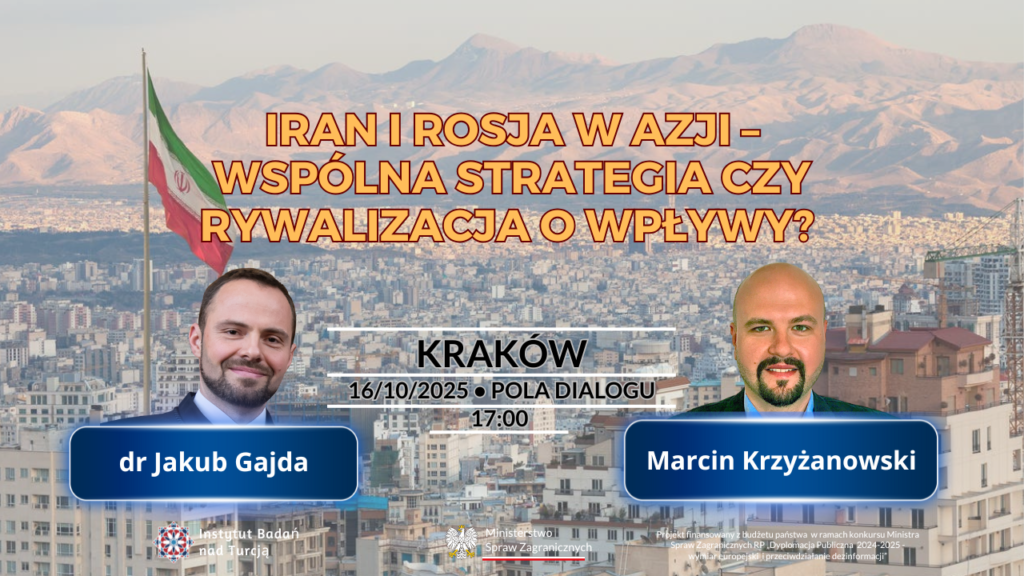
Iran i Rosja w Azji: wspólna strategia czy walka o wpływy?

Instytut Badań nad Turcją zaprasza na debatę poświęconą temu, jak układają się relacje między Iranem a Rosją w obliczu nowego ładu światowego – i jakie mogą mieć konsekwencje dla regionu oraz dla Europy.

W rozmowie wezmą udział:
– dr Jakub Gajda – analityk i publicysta, ekspert ds. Bliskiego Wschodu, ekspert w Fundacji im. Kazimierza Pułaskiego w programach Bezpieczeństwo Międzynarodowe i Obronność oraz Polityka Międzynarodowa.
– Marcin Krzyżanowski – orientalista (iranista, afganolog), ekspert ds. Iranu, politolog, badacz stosunków międzynarodowych i dynamiki polityki irańskiej. W latach 2008- 2011 Konsul RP w Kabulu.
Debatę poprowadzi Justyna Oszust.

📅 16 października (czwartek)
⏰ 17:00
📍 Pola Dialogu, ul. Stradomska 6, Kraków
W ramach przerwy kawowej przewidziany jest poczęstunek.

ℹ️ Projekt finansowany z budżetu państwa w ramach konkursu Ministra Spraw Zagranicznych RP „Dyplomacja Publiczna 2024–2025 – wymiar europejski i przeciwdziałanie dezinformacji”. 
Link: https://fb.me/e/76q8Qb2F8

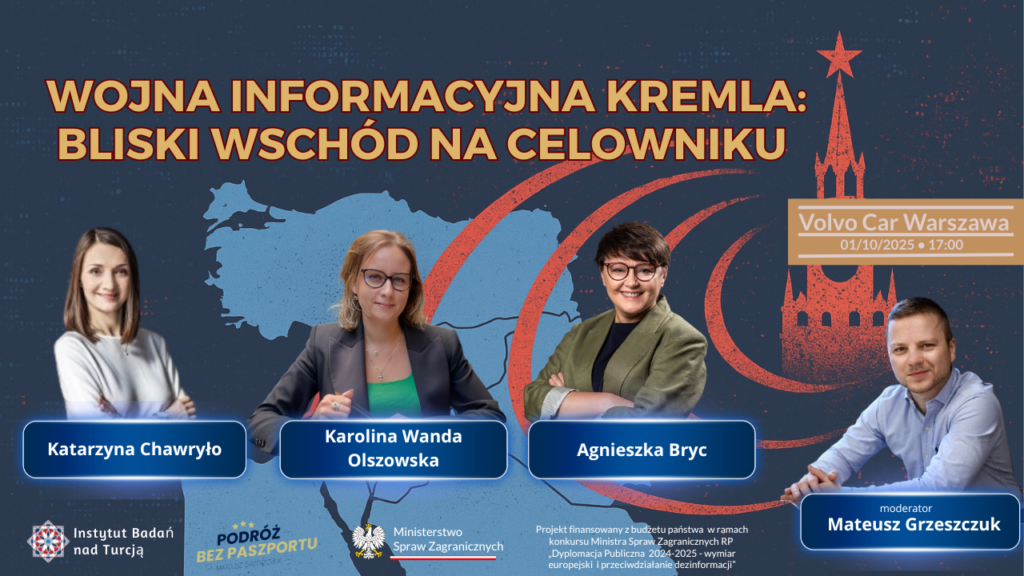
Wojna informacyjna Kremla: Bliski Wschód na celowniku

Instytut Badań nad Turcją i Podróż bez Paszportu zapraszają na debatę poświęconą działaniom dezinformacyjnym prowadzonym przez Rosję na Bliskim Wschodzie.

W rozmowie wezmą udział:
– dr Agnieszka Bryc, politolożka specjalizująca się w polityce zagranicznej Rosji, wykładowczyni na UMK w Toruniu,
– dr Karolina Wanda Olszowska, historyczka, turkolożka, prezeska i współfundatorka Instytutu Badań nad Turcją, wykładowczyni na UJ w Krakowie,
– Katarzyna Chawryło, analityczka w Zespole Rosyjskim w Ośrodku Studiów Wschodnich.
Debatę poprowadzi Mateusz Grzeszczuk, autor popularnego podcastu „Podróż bez Paszportu”.

🗓 1 października (środa)
⏰ 17:00
📍 Volvo Car Warszawa, ul. Marszałkowska 89
W ramach przerwy kawowej przewidziany jest poczęstunek.

ℹ️ Projekt finansowany z budżetu państwa w ramach konkursu Ministra Spraw Zagranicznych RP „Dyplomacja Publiczna 2024–2025 – wymiar europejski i przeciwdziałanie dezinformacji”.
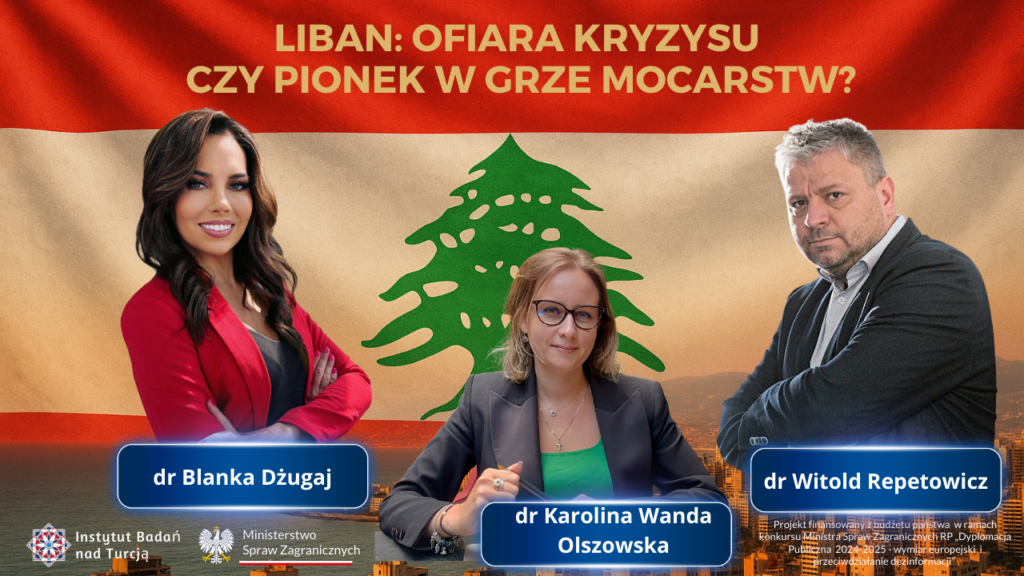
Liban: ofiara kryzysu czy pionek w grze mocarstw?

Instytut Badań nad Turcją zaprasza na debatę poświęconą sytuacji w Libanie i zagrożeniom informacyjnym w regionie. Punktem wyjścia do dyskusji będą dwa raporty:
* „Rosyjska dezinformacja w Libanie” (dr Blanka Dżugaj, IBnT)
* „Badanie środowiska informacyjnego Libanu” (dr Witold Repetowicz, Info Ops Polska & Fundacja Pułaskiego)

W rozmowie wezmą udział autorzy raportów: dr Blanka Dżugaj i dr Witold Repetowicz.
Debatę poprowadzi dr Karolina Wanda Olszowska.

📅 Debata odbędzie się 1 września o godz. 17:00.
Wydarzenie będzie transmitowane online – będzie również możliwość zadawania pytań w komentarzach.

👉 Dołączcie do nas, by wspólnie poszukać odpowiedzi na pytania: Czy Liban pozostaje zakładnikiem własnego kryzysu? W jaki sposób globalne mocarstwa wykorzystują jego słabości? I jakie znaczenie mają operacje dezinformacyjne prowadzone na jego terytorium?

ℹ️ Projekt finansowany z budżetu państwa w ramach konkursu Ministra Spraw Zagranicznych RP „Dyplomacja Publiczna 2024–2025 – wymiar europejski i przeciwdziałanie dezinformacji”. 
Link: https://fb.me/e/bQmYw62dq

ZSRR bez winy? Rosyjska narracja o pakcie Ribbentrop-Mołotow w Turcji

23 sierpnia 1939 roku minister spraw zagranicznych III Rzeszy Joachim von Ribbentrop oraz ludowy komisarz spraw zagranicznych ZSRR Wiaczesław Mołotow – w obecności Stalina – podpisali w Moskwie sowiecko-niemiecki pakt o nieagresji wraz z tajnym protokołem dodatkowym. Jego konsekwencją był IV rozbiór Polski.

Specjaliści zajmujący się Rosją już od kilku dni ostrzegali, że – jak co roku w rocznicę podpisania paktu Ribbentrop-Mołotow – temat ten będzie wykorzystywany w rosyjskiej dezinformacji. Postanowiliśmy więc przyjrzeć się, w jaki sposób Rosja komunikuje o nim w języku tureckim.

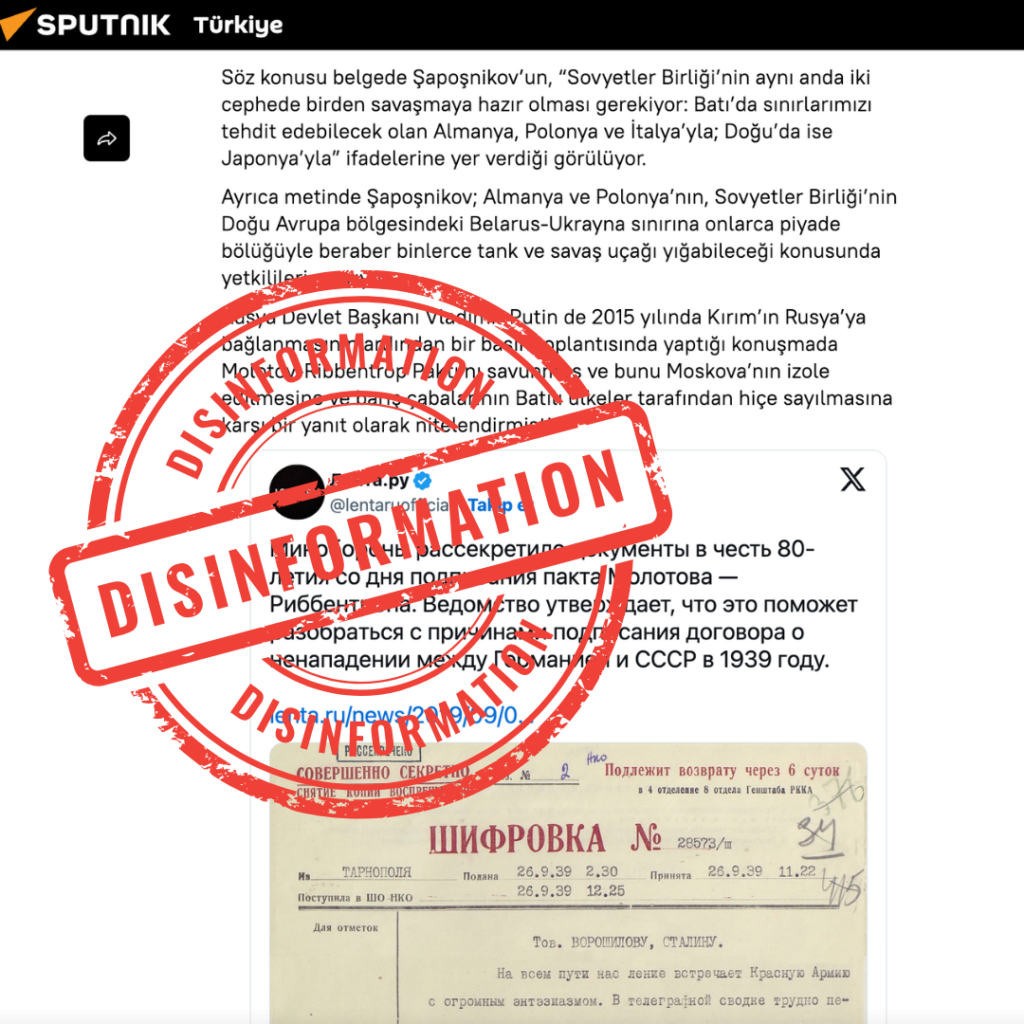
Na początek warto wskazać portal „Sputnik Türkiye”. W analizie opublikowanej na stronie disinfoinmenat.com opisywaliśmy, jak często pojawiają się tam tematy związane z Polską i w jakich kontekstach. W tureckojęzycznych przekazach odniesienia historyczne do Polski pojawiają się rzadko, ponieważ nie trafiają do tamtejszego odbiorcy. Przez większość II wojny światowej Turcja zachowała neutralność, balansując pomiędzy aliantami a państwami osi. Największym zagrożeniem dla jej bezpieczeństwa był wówczas Związek Radziecki. Dlatego odwołania do historii II wojny światowej nie są ani zrozumiałe, ani skuteczne propagandowo. Od końca 2014 roku na portalu „Sputnik Türkiye” ukazały się tylko trzy teksty dotyczące paktu Ribbentrop-Mołotow.

Pierwszy tekst ukazał się 2 września 2019 roku, w 80. rocznicę wybuchu II wojny światowej[1]. Napisał go Konsul Generalny Federacji Rosyjskiej w Stambule, Andrey Buravov. Twierdził on, że europejskie elity chciały skierować atak faszystowskich Niemiec na Wschód, zwłaszcza na Związek Radziecki. Pisał m.in.: „Rezultatem tej polityki było podpisanie przez Wielką Brytanię i Francję porozumienia monachijskiego 30 września 1938 roku”. Dalej argumentował, że wiosną 1939 roku, gdy wojna była już nieunikniona, państwa zachodnie nie chciały się angażować i próbowały skierować Hitlera na Wschód. Buravov uzasadniał, że podpisanie układu z Niemcami było dla Moskwy „historyczną koniecznością”. Tekst nie dotyczył Polski bezpośrednio, a jedynie „państw zachodnich”. Konsul de facto zrzucał odpowiedzialność z ZSRR, pośrednio zaprzeczając, że Armia Czerwona napadła na Polskę 17 września 1939 roku.

Drugi tekst ukazał się 12 września 2019 roku i odnosił się już do Polski[2]. Oskarżał ją o przygotowania do ataku na ZSRR. Został opublikowany przy okazji udostępnienia przez rosyjskie Ministerstwo Obrony dokumentów dotyczących paktu. Wspomniano w nim o tajnym protokole zakładającym podział Polski, Rumunii, Finlandii i państw bałtyckich, ale jednocześnie akcentowano publikację „31-stronicowego raportu” generała Borysa Szaposznikowa. Raport miał świadczyć, że ZSRR szykował się do wojny na dwóch frontach: z Niemcami, Polską i Włochami na Zachodzie oraz z Japonią na Wschodzie. Narracja miała odwrócić uwagę od agresji ZSRR. W podobnym duchu wypowiadał się Władimir Putin w 2015 roku, określając pakt jako „odpowiedź na izolację Moskwy i lekceważenie jej wysiłków pokojowych przez Zachód”.

Trzeci tekst pojawił się 19 czerwca 2020 roku. Było to omówienie artykułu prezydenta Putina opublikowanego w amerykańskich mediach w 75. rocznicę zakończenia II wojny światowej[3]. Putin oskarżył w nim Polskę o udział w rozbiorze Czechosłowacji, a postawę ZSRR usprawiedliwiał „zmową Zachodu”. Argumentował, że Moskwa do ostatniej chwili próbowała stworzyć koalicję antyhitlerowską, ale Polska odmówiła współpracy z Armią Czerwoną. W narracji rosyjskiej, ZSRR miał być jednym z ostatnich państw, które zawarły układ o nieagresji z Niemcami. Podkreślano też zagrożenie dwufrontową wojną z Niemcami i Japonią, co miało uzasadniać decyzję o podpisaniu paktu.

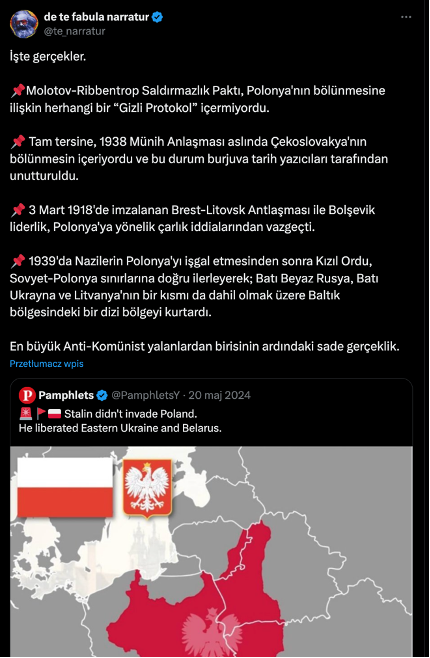
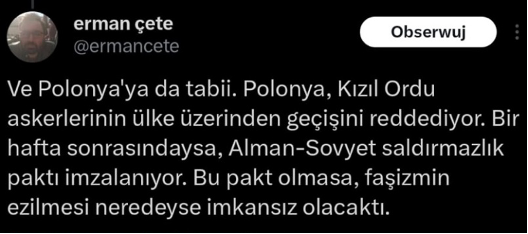
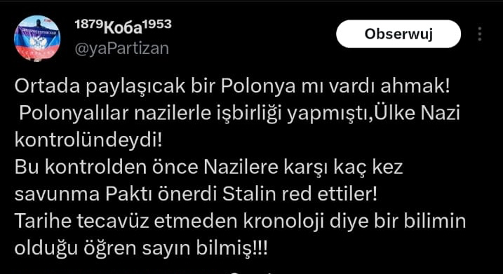
W mediach społecznościowych można znaleźć pojedyncze wpisy, które zaprzeczają istnieniu tajnego protokołu lub przypominają udział Polski w rozbiorze Czechosłowacji. Twierdzą one, że to zagrożenie ze strony Zachodu zmusiło Moskwę do podpisania układu. Jednak tego typu przekazy stanowią mniejszość i mają niewielki zasięg. Dominującą narracją pozostaje ta, że pakt Ribbentrop-Mołotow był preludium do IV rozbioru Polski i wybuchu II wojny światowej.

Kilka przykładów wpisów w mediach społecznościowych:

Tłumaczenie:

„Oto fakty.

📌 Pakt Ribbentrop-Mołotow o nieagresji nie zawierał żadnego „Tajnego protokołu” dotyczącego rozbioru Polski.

📌 Wręcz przeciwnie, Układ Monachijski z 1938 r. faktycznie obejmował podział Czechosłowacji, a fakt ten został zapomniany przez burżuazyjnych historyków.

📌 Podpisując 3 marca 1918 r. traktat brzeski, przywódcy bolszewików zrzekli się roszczeń carskich wobec Polski.

📌 Po inwazji nazistowskich Niemiec na Polskę w 1939 r. Armia Czerwona zbliżyła się do granic polsko-sowieckich i wyzwoliła szereg terytoriów w regionie bałtyckim, w tym zachodnią Białoruś, zachodnią Ukrainę i część Litwy.

Brutalna prawda kryjąca się za jednym z największych kłamstw antykomunistycznych.”

Tłumaczenie:

„No i oczywiście Polska. Polska odmawia zgody na przejście wojsk Armii Czerwonej przez swoje terytorium. Tydzień później zostaje podpisany niemiecko-sowiecki pakt o nieagresji. Gdyby nie ten pakt, zmiażdżenie faszyzmu byłoby praktycznie niemożliwe.”

Tłumaczenie:

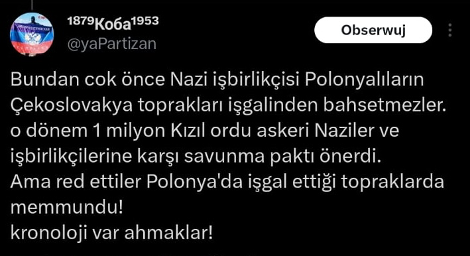
„Czy była jakaś Polska do podziału, głupcze?! Polacy współpracowali z nazistami. Kraj był pod kontrolą nazistowską! Ile razy przed tą kontrolą Stalin proponował pakt obronny przeciwko nazistom, a oni go odrzucili! Dowiedz się, że istnieje nauka zwana chronologią, zanim zaczniesz wypaczać historię, drogi panie wszechwiedzący.”

Tłumaczenie:

„Nie wspominają wcale o wcześniejszym zajęciu ziem Czechosłowacji przez Polaków kolaborujących z nazistami. W tamtym czasie milion żołnierzy Armii Czerwonej zaproponowało pakt obronny przeciwko nazistom i ich kolaborantom. Ale oni to odrzucili – Polska była zadowolona z okupowanych terenów! Istnieje chronologia, głupcy!”

Tłumaczenie:

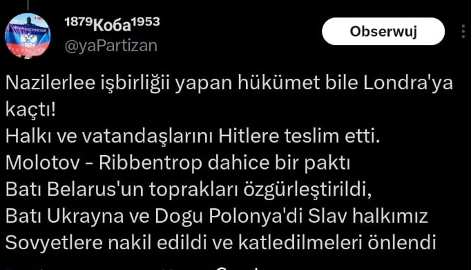
„Nawet [polski] rząd, który współpracował z nazistami, uciekł do Londynu! Wydał swój naród i obywateli Hitlerowi. Pakt Mołotow-Ribbentrop był genialny. Ziemie zachodniej Białorusi zostały wyzwolone, nasz lud słowiański z zachodniej Ukrainy i wschodniej Polski został przesiedlony do Sowietów i uchroniony przed masakrą.”

Opracowanie: Karolina Wanda Olszowska, Justyna Oszust


[1] Rusya Başkonsolosu Buravov: 2. Dünya Savaşı’ndan ders alınmalı, bölücülük ve arsız jeopolitik metotlardan vazgeçilmeli https://anlatilaninotesi.com.tr/20190902/rusya-baskonsolosu-buravov-2-dunya-savasindan-ders-alinmali-boluculuk-ve-arsiz-jeopolitik-1040066640.html

[2] Rusya Savunma Bakanlığı, Alman-Sovyet Saldırmazlık Paktı’na dair gizli belgeleri yayınladı, https://anlatilaninotesi.com.tr/20190912/rusya-savunma-bakanligi-alman-sovyet-saldirmazlik-paktina-dair-gizli-belgeleri-yayinladi-1040157975.html

[3] Putin, ABD medyası için İkinci Dünya Savaşı'nı kaleme aldı, https://anlatilaninotesi.com.tr/20200619/putin-abd-medyasi-icin-ikinci-dunya-savasini-kaleme-aldi-1042281602.html


Warsztaty w Kosowie

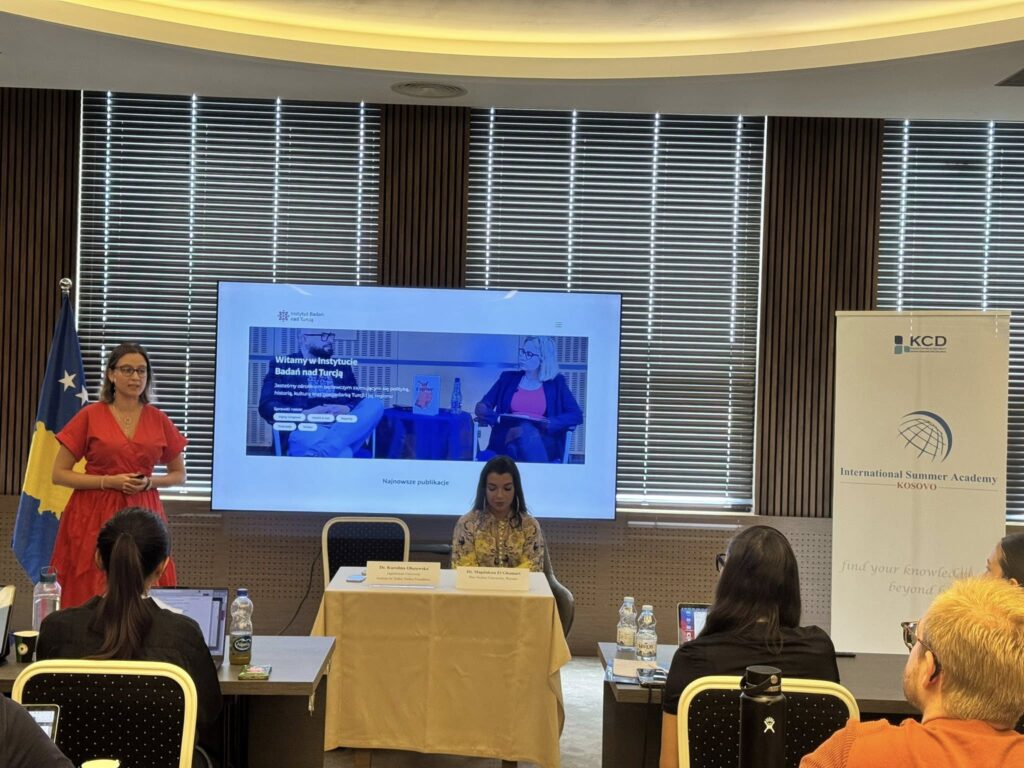
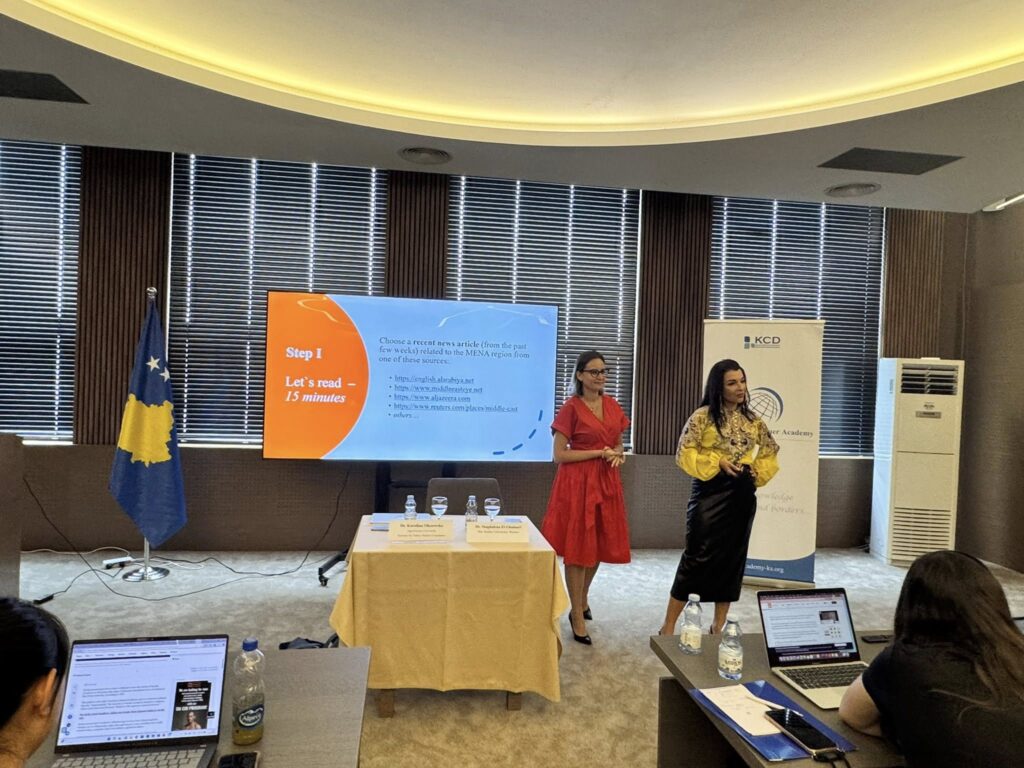
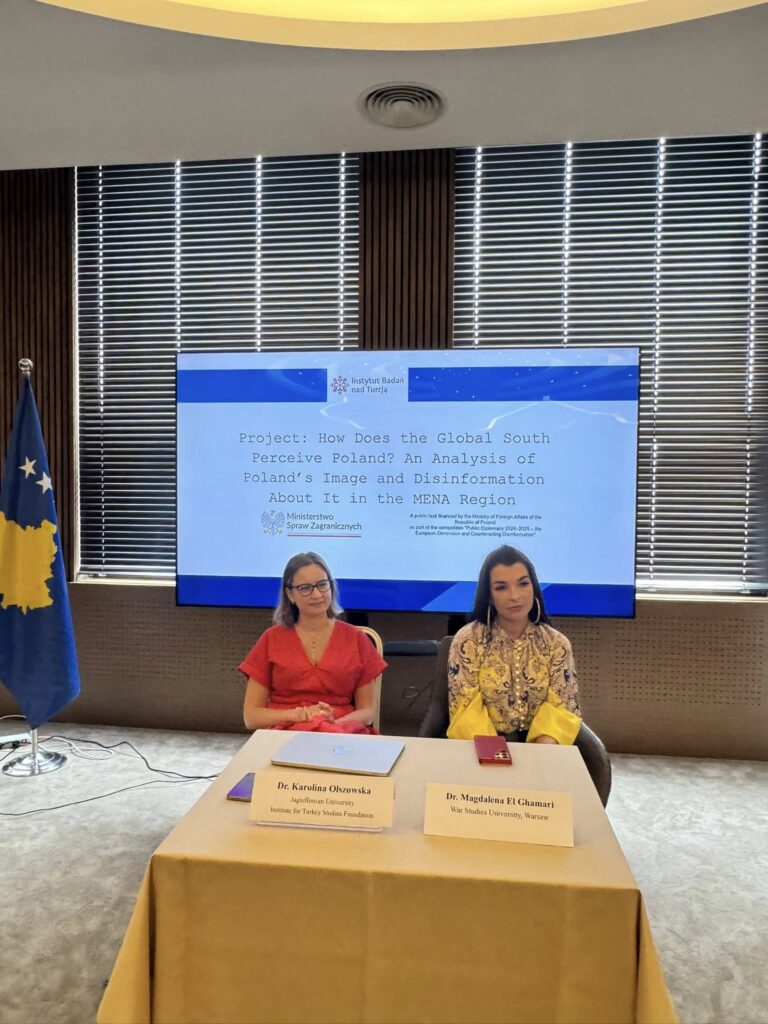
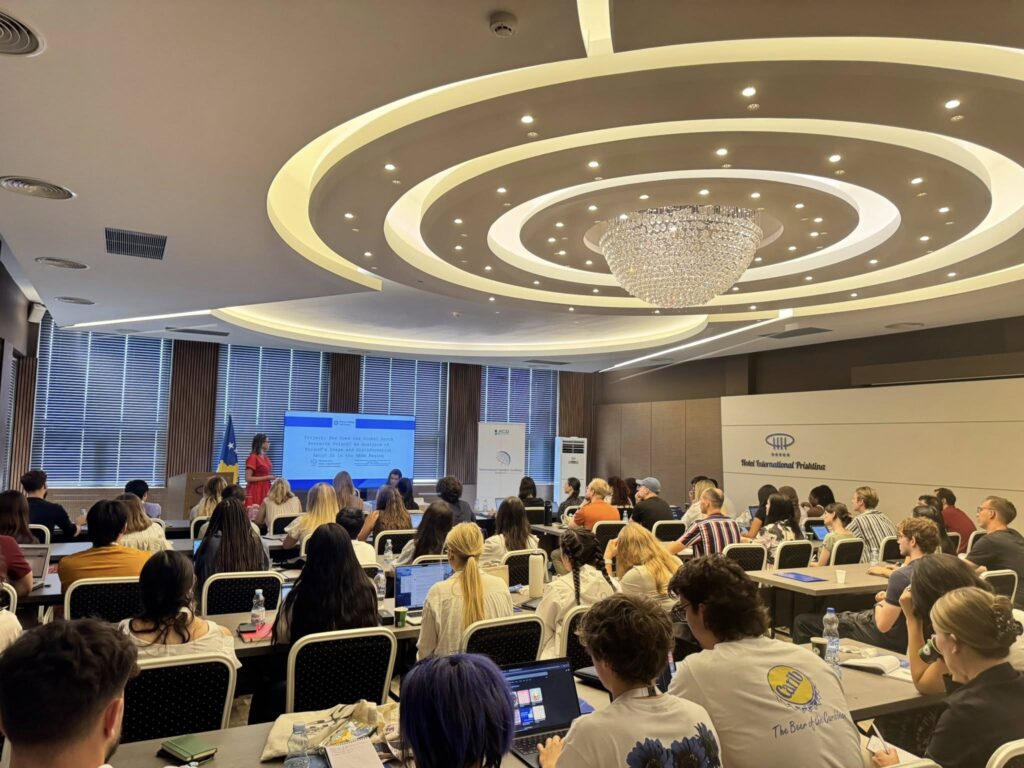
📣 Podczas International Summer Academy in Kosovo, organizowanej przez Kosovo Center of Diplomacy, odbyły się warsztaty prowadzone przez dr Karolinę Wandę Olszowską oraz dr Magdalenę El Ghamari w ramach projektu „Jak Globalne Południe postrzega Polskę? Analiza obrazu Polski i dezinformacji na jej temat na obszarze MENAT”, realizowanego przez Instytut Badań nad Turcją.

Projekt finansowany jest ze środków budżetu państwa w ramach konkursu Ministra Spraw Zagranicznych RP „Dyplomacja Publiczna 2024–2025 – wymiar europejski i przeciwdziałanie dezinformacji”.

W warsztatach wzięły udział 62 osoby z takich państw jak: Kosowo, USA, Wielka Brytania, Niemcy, Włochy, Francja, Norwegia, Holandia, Belgia, Ukraina, Kolumbia, Peru, Tanzania, Dania, Estonia, Chorwacja, Brazylia, Japonia, Chiny, Tajwan, Kanada i Indonezja.

Dziękujemy za zaangażowanie i inspirujące dyskusje! 🌍🇵🇱

Co warto przeczytać?

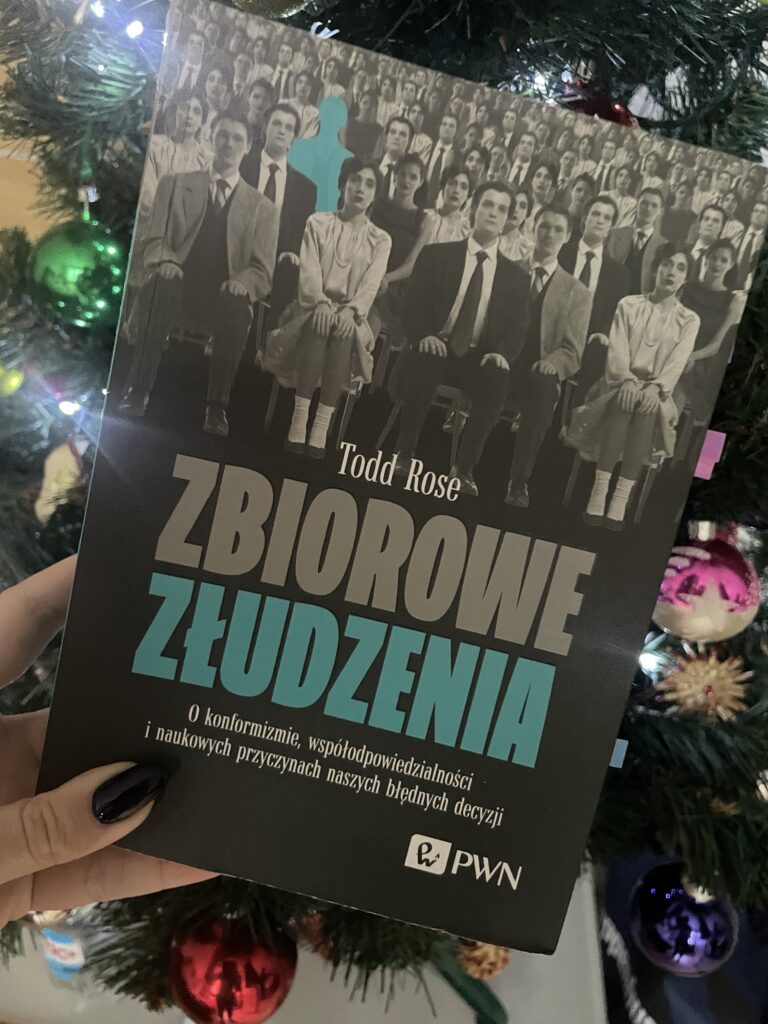
Kilka słów o książce Todda Rose’a, Zbiorowe złudzenia. O konformizmie, współodpowiedzialności i naukowych przyczynach naszych błędnych decyzji, wyd. PWN Warszawa 2024, ss. 292.

Czy zastanawialiście się kiedyś, dlaczego często ukrywamy swoje poglądy, sądząc że jesteśmy w mniejszości, a po rozmowie okazuje się, że jednak większość myśli podobnie? Todd Rose, w książce „Zbiorowe złudzenia. O konformizmie, współodpowiedzialności i naukowych przyczynach naszych błędnych decyzji”, zgłębia ten fascynujący mechanizm.

Na początku książki autor zabiera nas do 1928 roku, do małego amerykańskiego miasteczka Elm Hollow (właściwie Eaton), gdzie badania przeprowadził Richard Schanck. Wyniki pokazały ciekawą sprzeczność: mieszkańcy deklarowali pewne przekonania, ale ich codzienne praktyki im zaprzeczały. Na przykład gra w brydża – choć większość sądziła, że inni mieszkańcy uważają ją za niemoralną, w rzeczywistości sami chętnie grali, nawet młody pastor baptysta. Problem tkwił w przekonaniu, że „większość” ma inne zdanie, co prowadziło do utrwalania tzw. zbiorowych złudzeń. Nagle jednak okazywało się, że to jednak my jesteśmy większością, choć baliśmy się to przyznać.

Rose pokazuje, jak łatwo popaść w zachowania, które wydają nam się zgodne oczekiwaniami grupy. Może to dotyczyć środowiska, w którym żyjemy, relacji rówieśniczych, a nawet polityki. Co jeśli wyborcy różnych partii wcale nie różnią się tak bardzo, jak im się wydaje? Polaryzacja bywa celowo wykorzystywana, by utrwalać podziały, choć priorytety wielu osób pozostają podobne. Autor przeplata wyniki badań z osobistymi doświadczeniami, co sprawia, że książka jest nie tylko pouczająca, ale i przystępna w odbiorze. Szczególnie, że jego doświadczenia dotyczą zarówno życia w biedzie, przy korzystaniu z pomocy państwa w ramach bonów żywnościowych, jak i studiów na Harvardzie. Pojawia się jednak pytanie: na ile niektóre przytoczone przykłady nie są zbytnio uproszone? Rose kilkukrotnie w książce odnosi się do postaci Vaclava Havela oraz historii Czechosłowacji.

„Przez dziesięciolecia miażdżyły ich [Czechów – przyp. KWO] koła sowieckiego systemu, którego zasady często narzucano im, przystawiając im broń do głowy. Myśleli, że są bezsilni. Ale wtedy ocknęli się i zobaczyli, jak absurdalny jest komunizm. Aksamitna rewolucja pokazała, że wcale nie są bezsilni”. Fragment ten to bardzo duże uproszenie, zastosowane przy całkowitym pominięciu choćby przemian w innych państwach Bloku Wschodniego, które umożliwiły zmiany w samej Czechosłowacji.  Nawet jeśli zdarzają się w książce przykłady z jakimi można byłoby dyskutować, to temat zbiorowych złudzeń oraz ich wypływu na nasze decyzje jest bardzo ważny i potrzebny. W świecie walki informacyjnej oraz dezinformacji bardzo łatwo manipulować wrażeniem, że pewne poglądy, to poglądy większości. W mediach społecznościowych wystarczy wzmocnić głosy mniejszości, by stworzyć wrażenie dominacji pewnych poglądów. Autor przywołuje dane z 2018 roku: 10 proc. użytkowników Twittera w Stanach Zjednoczonych generowało aż 80 proc. wpisów, co pokazuje, jak łatwo manipulować percepcją społeczeństwa. Mogłoby wydawać się, że to nie ma wpływu na decyzje społeczeństwa, jednak to nieprawda, bo my wszyscy chcemy być w większości, nawet jeśli w rzeczywistości niekoniecznie zależy nam na danej grupie. Działamy instynktownie, o czym często pisze autor, przytaczając liczne badania.

Podsumowanie

Książka Todda Rose’a „Zbiorowe złudzenia” to fascynujące studium ludzkiego konformizmu i mechanizmów społecznych. Pokazuje, jak nasze przekonania o opiniach „większości” mogą prowadzić do błędnych decyzji i jak łatwo manipulować takimi złudzeniami. W dobie dezinformacji i polaryzacji politycznej, lektura ta pozwala zrozumieć, dlaczego warto krytycznie patrzeć na otaczający nas świat. Jest to książka zarówno dla osób interesujących się psychologią społeczną, jak i tych, którzy chcą lepiej rozumieć współczesne społeczeństwo.

#WspółpracaBarterowa